
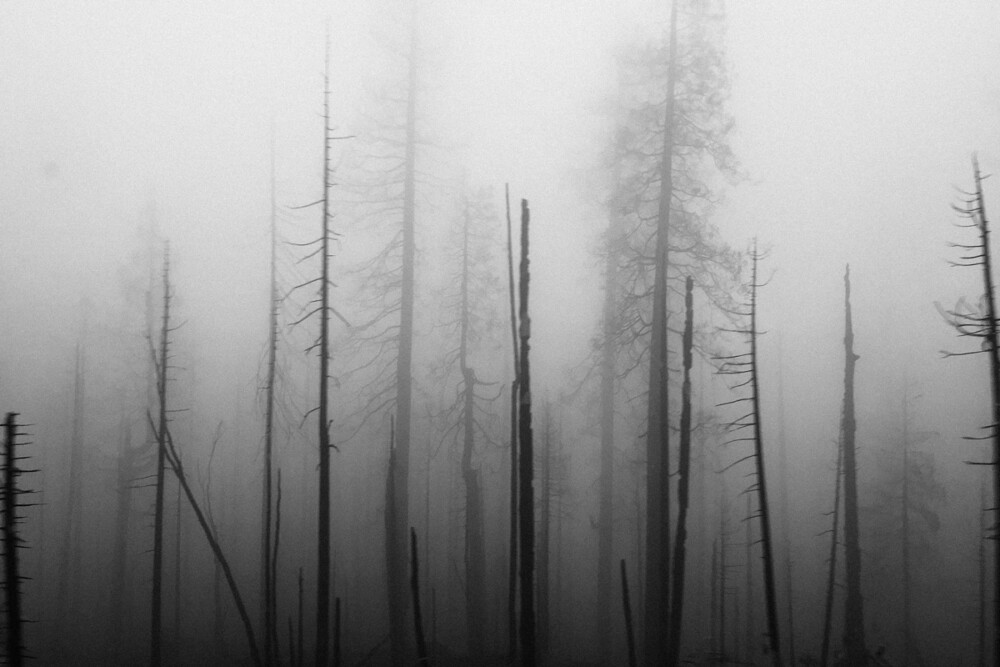
New research shows widespread “ghost forests” in New Jersey
Scientists mapped millions of dead trees along the Atlantic coastline that show the impact of climate change and rising seas.
This story was originally published by South Jersey Climate News.
A team of researchers mapped over 10 million standing dead trees – known as “ghost forests” – along the Atlantic coast, revealing how sea level rise is fueling a wider coastal tree die-off than previously known.
“Ghost forests” occur when salt water makes its way further inland into wooded areas.
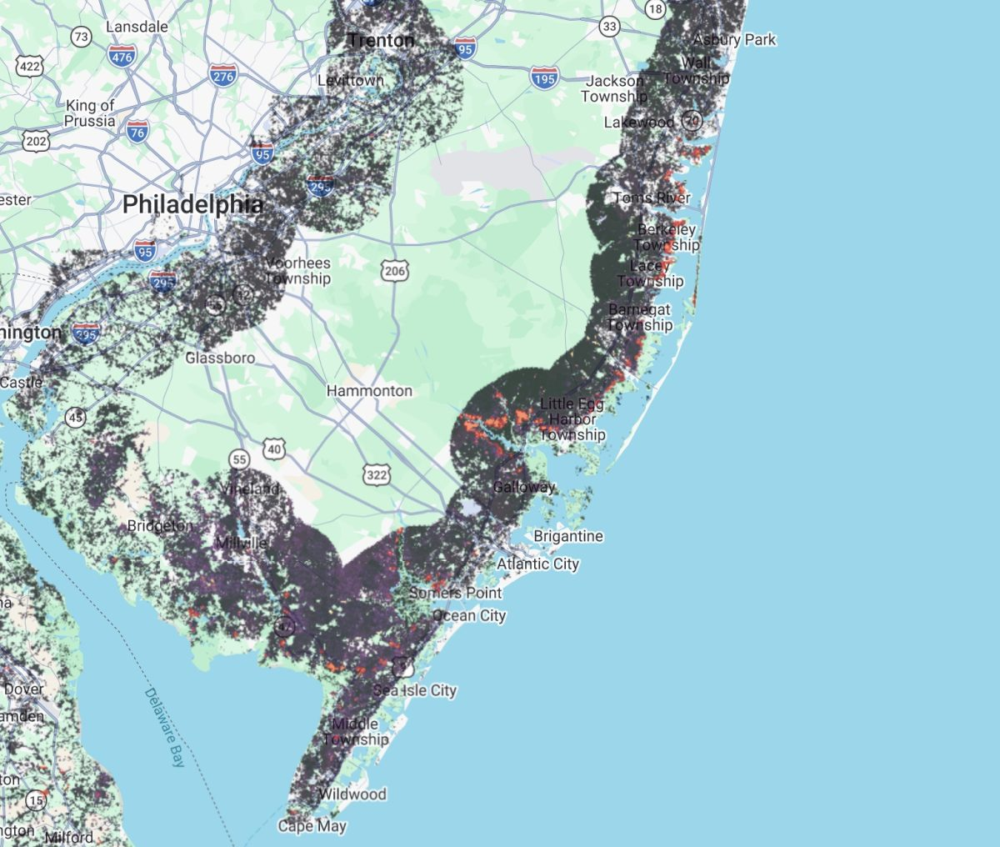
Researchers used high-resolution aerial imagery and computer models to identify dead areas of forests in 11 states. The research was published in Nature Sustainability Journal and a map of the findings is available online.
Not all of the trees were killed by saltwater. Some are a result of drought, insects or other weather related events. But researchers found that 6 million of the dead trees are found in low-elevation areas that were exposed to rising seas.
“These findings highlight the alarming decline in coastal forests and the need for strategic long-term planning to preserve the critical services that coastal ecosystems provide,” researchers wrote.
The images of southern New Jersey show wide-spread tree die-off in the Cape May Peninsula and along Great Egg Harbor Bay and near the Mullica River.
For more on ghost forests in South Jersey, read Phantom trees of Cape May County.
To explore the map, see Ghost Forests in the US Atlantic Coast.
To read the full research, read Overlooked and extensive ghost forest formation across the US Atlantic coast in Nature Sustainability Journal.
Cover photo: Jamie Hagan on Unsplash
Become a Supporter!


