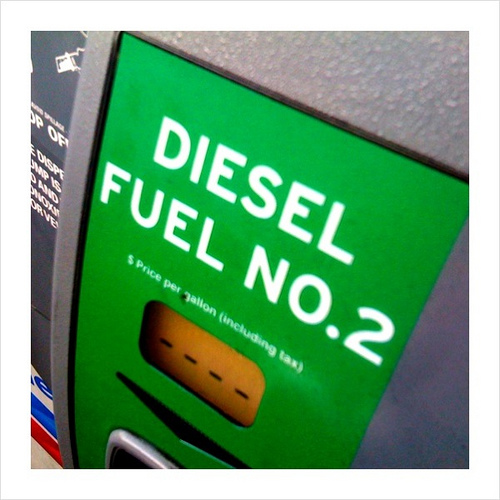
In an effort to reduce air pollution and improve air quality, the Philadelphia International Airport is replacing its diesel-powered buses with eight new, low-emission shuttle buses. The EPA provided a grant of $475,669 to help finance the project, but US Airways is still spending over $3.5 million to replace the diesel buses.
The ribbon cutting ceremony for one of the new buses was August 18, putting the bus on display for tours. The Airport’s CEO stated that sustainability was a major priority and that the new buses were well adapted to that environmental initiative.
Diesel emissions are an especially important priority because reducing them improves ground-level ozone and reduces particle pollution, two air quality issues that can cause asthma attacks and other respiratory ailments. The new buses are expected to prevent pollution in over 1.18 tons of nitrous oxide, 1,540 tons of carbon dioxide, and .02 tons of particulate matter in local air, according to an EPA article. The Airport’s commitment to improving the environment was acknowledged and appreciated by the EPA, and Philadelphia is setting the standard for the reduction of diesel emissions across the mid-Atlantic region.
Posted by Alexis Bonari. She’s a freelance writer and blog junkie. She often can be found blogging about general education issues as well as information on college scholarships. In her spare time, she enjoys square-foot gardening, swimming, and avoiding her laptop.
(Photo courtesy of flickr)
Catch up on the latest sustainability news: Temporary bike lane closer to permanent status. Councilmember…
The Academy of Natural Sciences survived for more than two centuries. Now, its future depends…
Catch up on the latest sustainability news: New Washington Avenue Connector completed. The City of…
From a solar-powered shed in East Parkside to an orchard on State Road, these SustainPHL…
Catch up on the latest sustainability news: Parks and Rec expands environmental stewardship program. Philadelphia…
(and they're all SustainPHL nominees!) From storm drains in Germantown to community gardens in Kensington,…