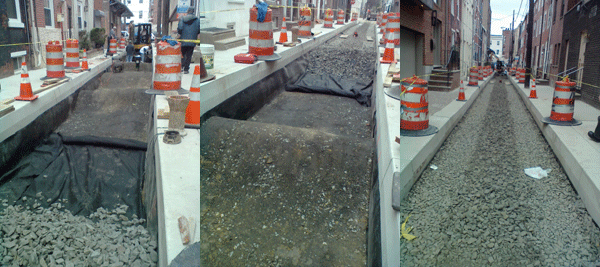
The 800 block of Percy St between Catherine & Christian became Philadelphia’s first porous Street to do just that! Made of permeable materials including porous asphalt and a layer of stones underneath, the street allows water to soak through the surface and eliminates storm-water runoff.
This wasn’t just constructed to decrease rain boot sales – Philadelphia has a combined sewer system that includes both the sanitary sewer system (aka water from showers & toilets) and a storm-water system. During heavy rain, treatment plants can’t accommodate extra water – so consequently the toilet and storm water flows together into the city’s rivers. (Ever have a triathlon cut out the Schuylkill swim? There’s partially why.) Therefore, they reconstructed Percy St with a new sewer system, main and piping.
The redesigned street also reduces snow removal/ice in those terrible winter months. Streets Commissioner Clarena I.W. Tolson mentioned “The unique properties of porous asphalt may result in quicker melting of snow and ice from the street. This benefit could mean that less road salt will be needed to keep the street clear… Less road salt means less cost and less pollution of our rivers.”
Mayor Nutter, Deputy Mayor Rina Cutler & Councilman Frank DiCicco unveiled the South Philly street on Tuesday as part of the Philadelphia Water Department’s Green City, Clean Waters program. The construction cost $330,000 – and the next street will be on Webster between 13th & Broad.
Posted by Julie
*photo courtesy of Green Treks
City leaders, educators, and community advocates agreed on one thing at our recent recycling panel:…
Catch up on the latest sustainability news: Chinatown Stitch design moves forward. The Chinatown Stitch…
Catch up on the latest sustainability news: Center City car-free streets increased sales for local…
The Black-owned cafe in Maplewood Mall centers sustainable food, local vendors and community programming, all…
Catch up on the latest sustainability news: Farm Philly expands Community Compost Network. Farm Philly’s…
"Forever chemicals” are in Philly's waterways. Research teams are tracking contamination and testing new ways…