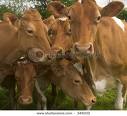
Chicken and fish can cause their own set of negative consequences. But, let’s focus on red meat today. Read on!
1. Help save water and cut down on pollution. Livestock animals consume massive amounts of food and water in order to keep production high. It’s estimated that two to five times more water is used to grow the grain to sustain these animals than humans eat. This is a big drain on not only the current food and water supply but on future reserves.
2. Save money. Most meat is much pricier than vegetarian staples like beans, oats, quinoa, millet etc. Switch to a few meatless meals a week and you’ll save at the grocery store. (Stay tuned to Green Philly Blog for tasty recipes using these ingredients!)
3. Lessen the mistreatment of animals. Sadly, animals are squeezed into feedlots that are crowded and often unsanitary. Maximizing space to improve production may mean good business for livestock farms, but a close look at the conditions involved are enough to make any animal-lover majorly cringe.
4. Lower your cholesterol and risk of heart-disease. Researchers urge people to eat less meat as a means to lose weight – and lower their risk of heart disease. A meat-eaters risk of developing heart disease is 50 percent higher than it is among vegetarians. Eating meat can also contribute to high cholesterol. A friend of mine consciously cut down her intake and her cholesterol level went down an impressive 26 points in a year!
5. Cut down on greenhouse gases. Methane gases (very harmful to the environment) are emitted by cows and fertilizers. Additionally, gases emitted by livestock and from transportation to grocers causes a hefty amount of gases. The Intergovernmental Panel on Climate Change estimates that agriculture accounts for 10-12 percent of anthropogenic greenhouse gas emissions. Read more on this topic from ars technica here.
Posted by Beth
Catch up on the latest sustainability news: New Washington Avenue Connector completed. The City of…
From a solar-powered shed in East Parkside to an orchard on State Road, these SustainPHL…
Catch up on the latest sustainability news: Parks and Rec expands environmental stewardship program. Philadelphia…
(and they're all SustainPHL nominees!) From storm drains in Germantown to community gardens in Kensington,…
Catch up on the latest sustainability news: Teens turn vacant lot into green space. Since…
Inside a Francisville Passive House project, Green Philly attendees saw how airtight construction, insulation, efficient…